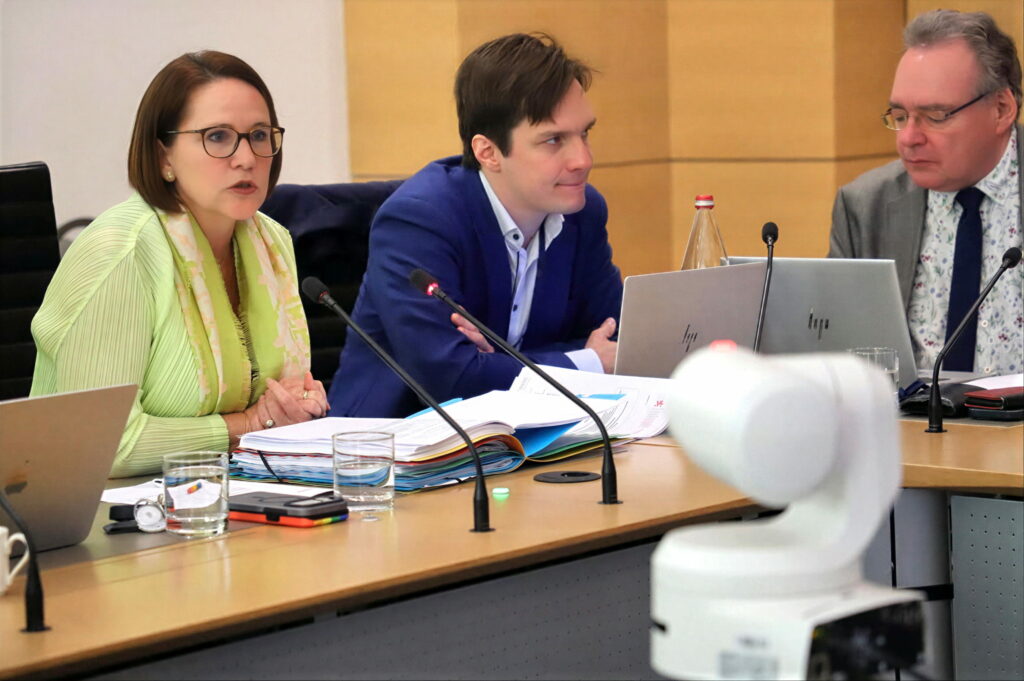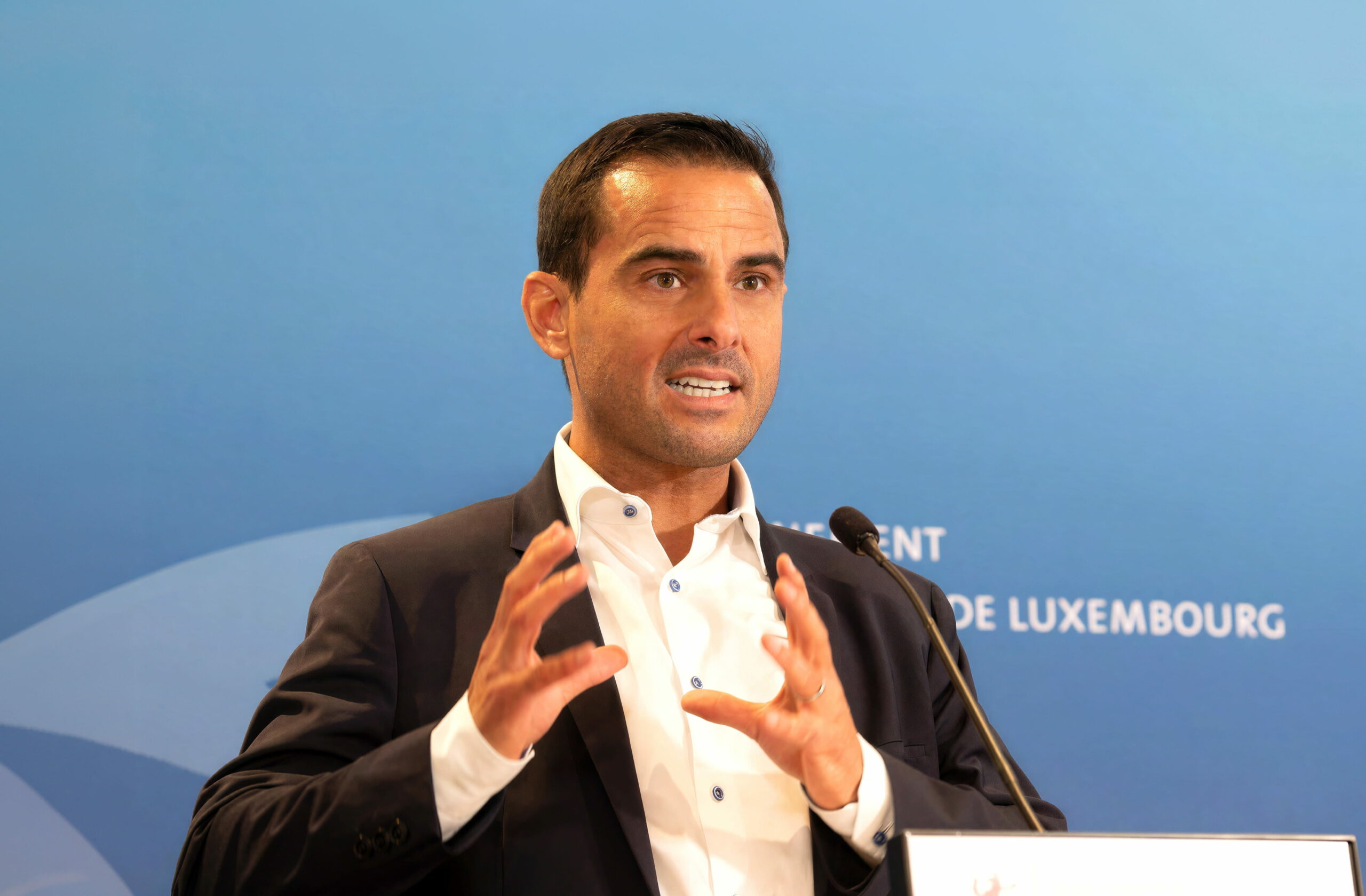


Mobility Minister Yuriko Backes presented the long-term development plan for Findel Airport to Parliament’s Mobility Committee this Thursday.
The plan is based on projections for the national airport’s activity through 2050. These foresee a 100% increase in passenger traffic, reaching 10.6 million passengers, a 50% rise in cargo volumes to 1.25 million tonnes, and 107,000 take-offs and landings, representing an increase of 42%.
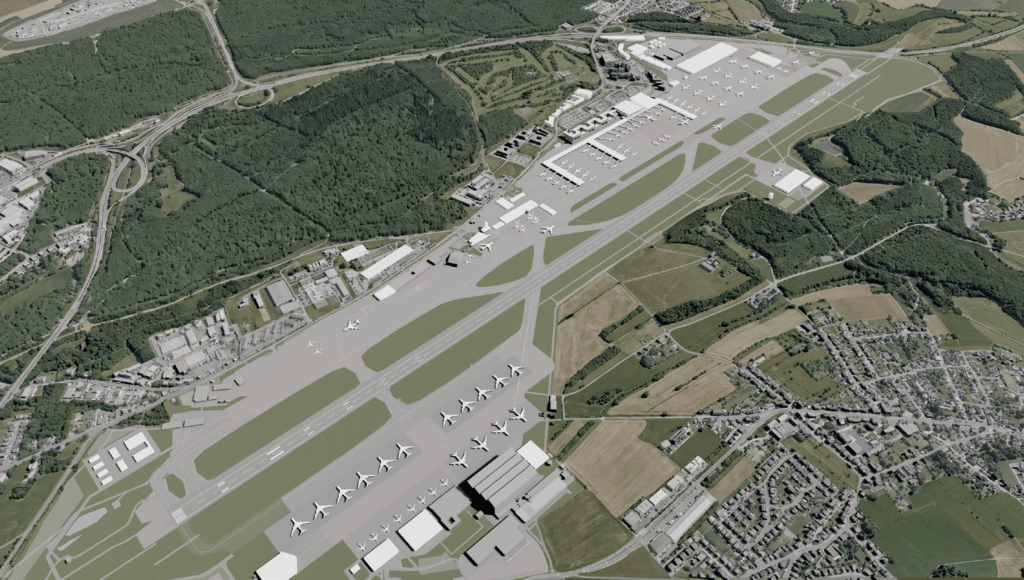
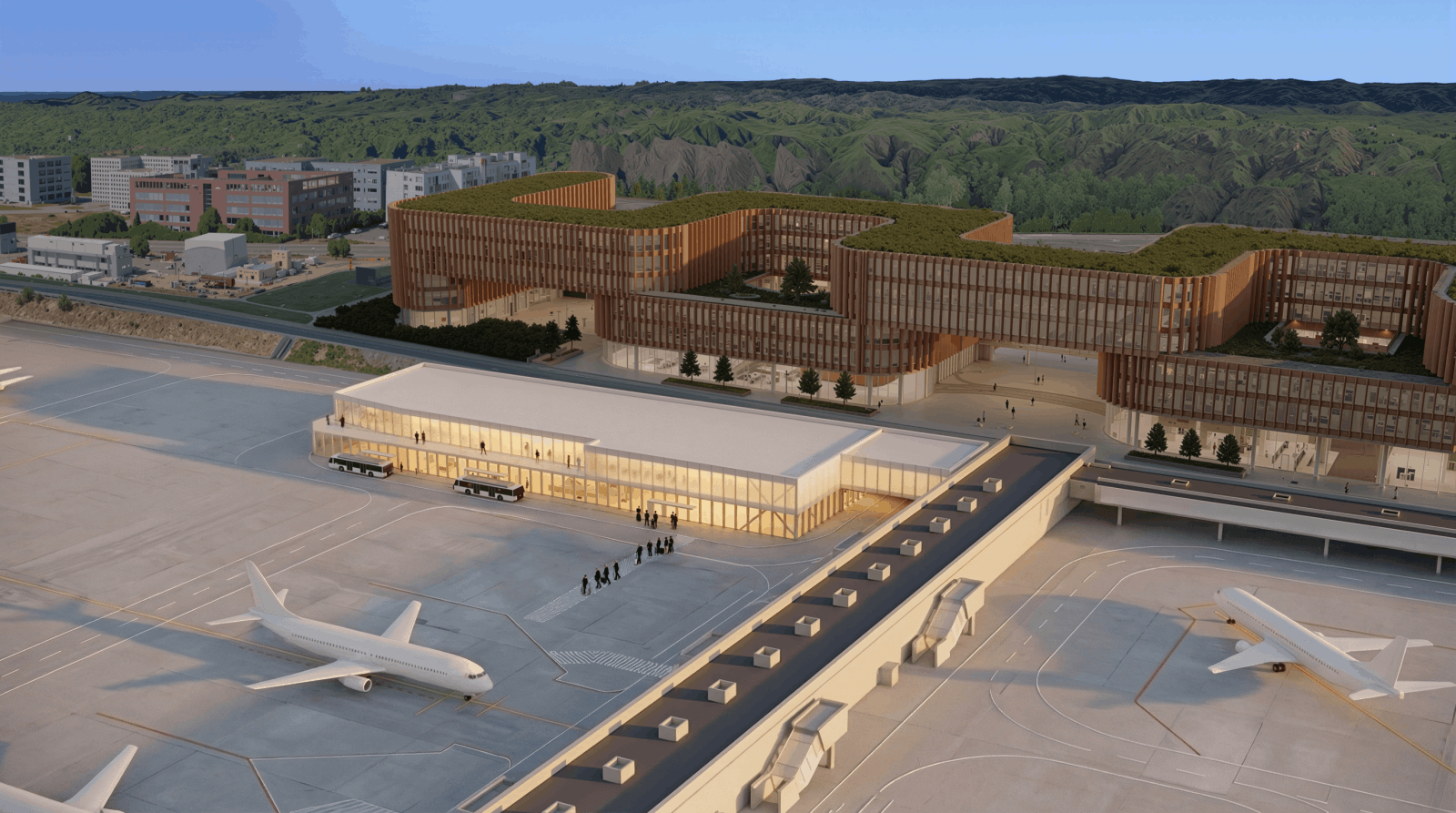
Given the limited space available at Findel, the masterplan provides for an optimal use of the site. In this context, the main activities will be divided into separate areas: cargo, passengers, business aviation, maintenance, public/state aviation, military operations and airport maintenance.
At the same time, the airport is also expected to improve passenger comfort. The modernisation will therefore focus not only on capacity, but also on delivering high-quality service.
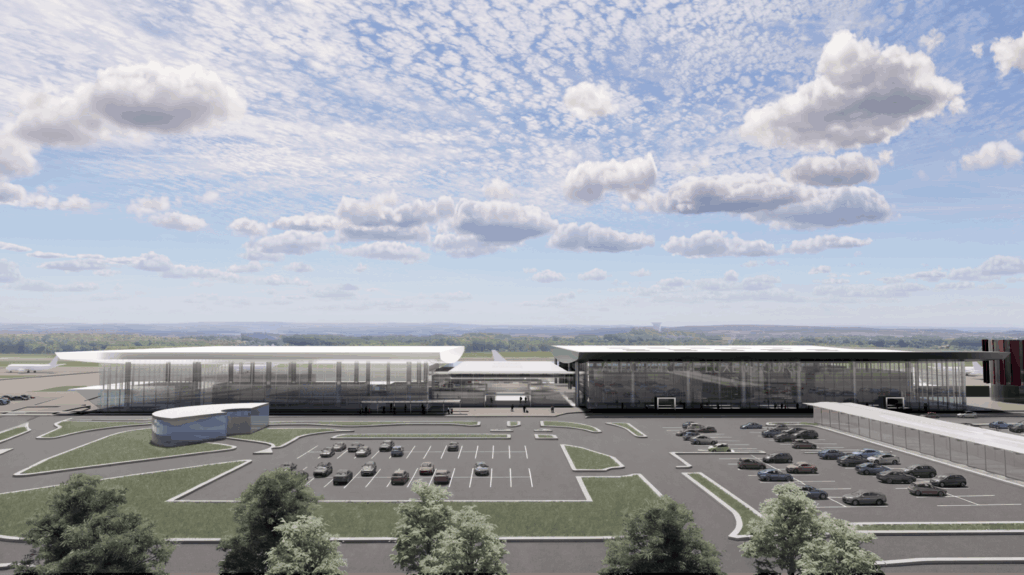
A first phase of infrastructure expansion concerns Terminal A, where a central and modern security screening area will be installed by 2028. This will go hand in hand with an expansion of check-in facilities and improved baggage drop-off.
Within the next two years, Terminal B will also be enlarged with six additional gates. Meanwhile, the new hybrid control tower will be installed at Skypark next to the airport.
Another highly topical issue is kerosene storage. Six new tanks are to ensure storage capacity of 30,000 cubic metres by 2028.
The expansion also includes the modernisation of the Salon d’honneur and the Business Center.
The total cost of the works through 2032 will amount to one billion euros. The state will contribute 200 million euros, while the operating company Luxairport will invest 800 million euros.
Minister Yuriko Backes sees the masterplan as the response to the commitment set out in the coalition agreement to promote the modernisation and adaptation of Findel’s infrastructure and make it fit for future needs.