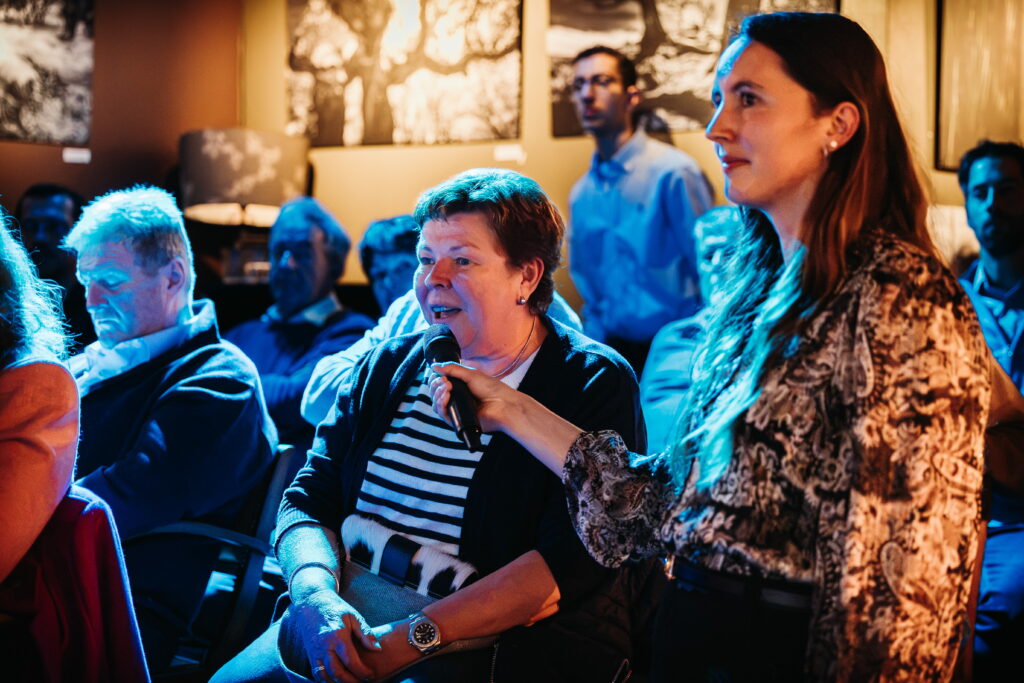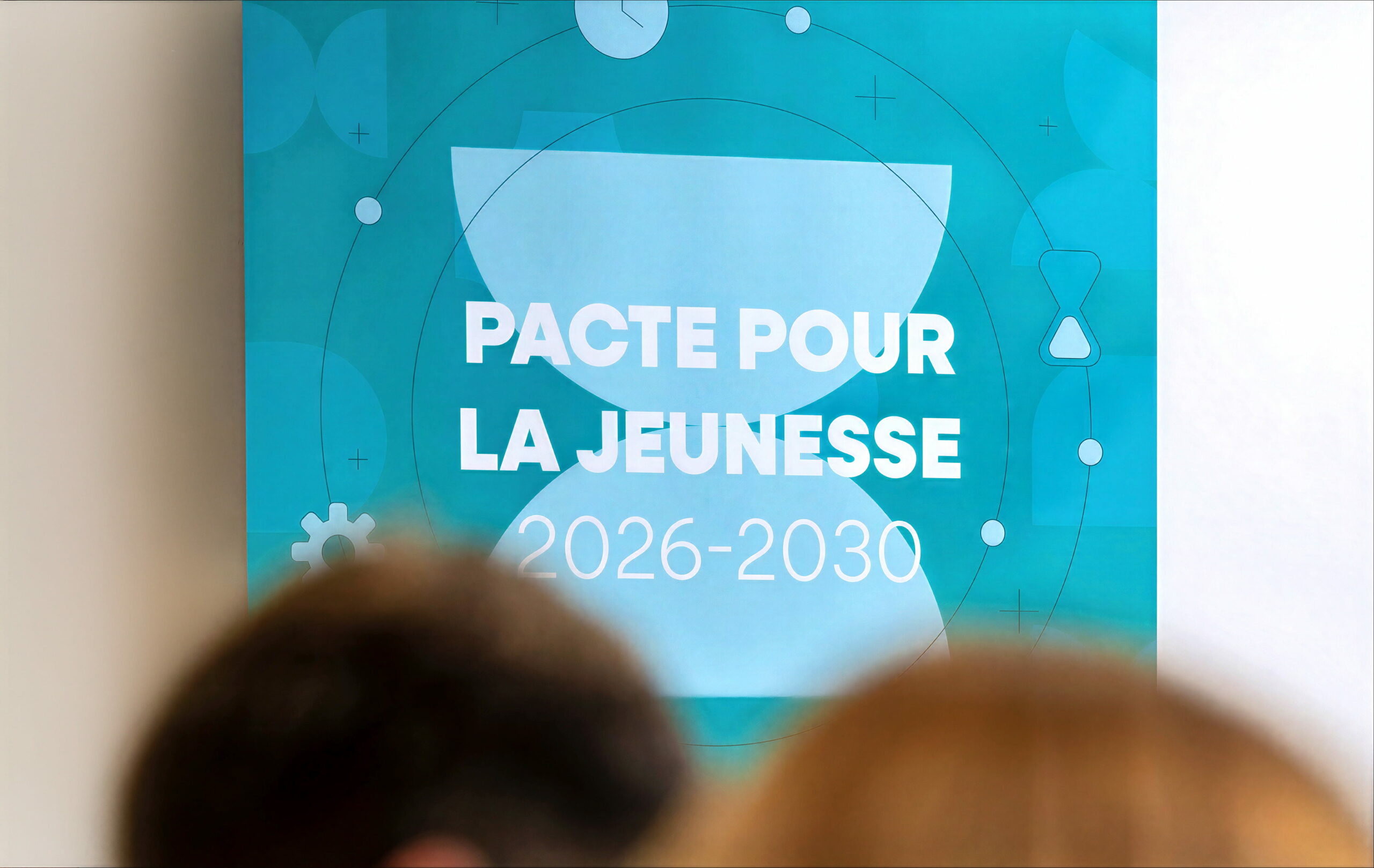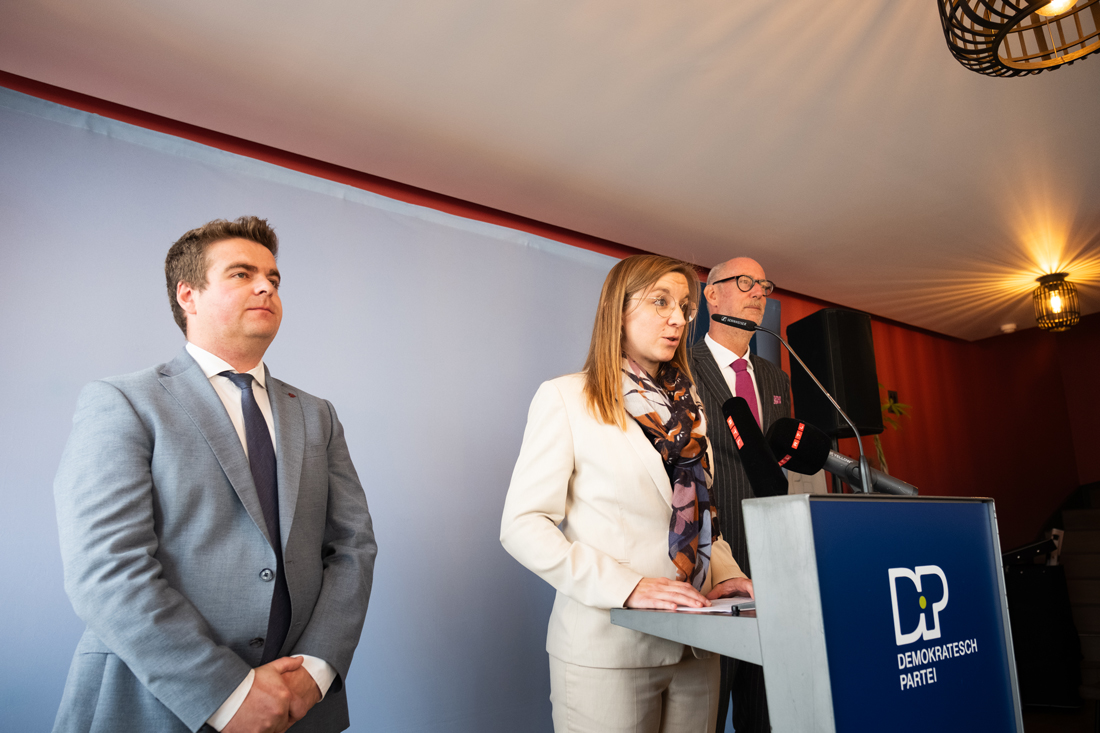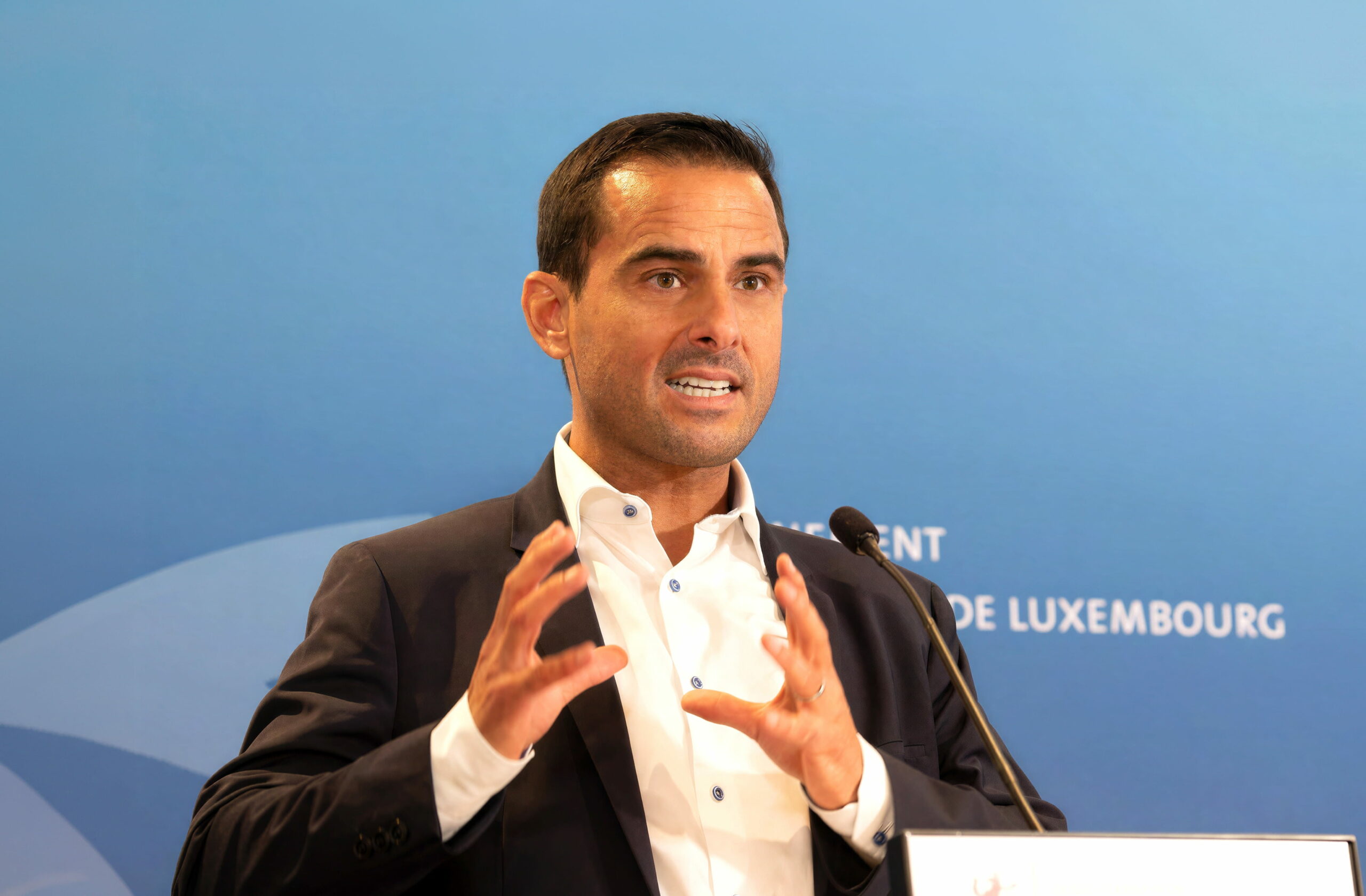


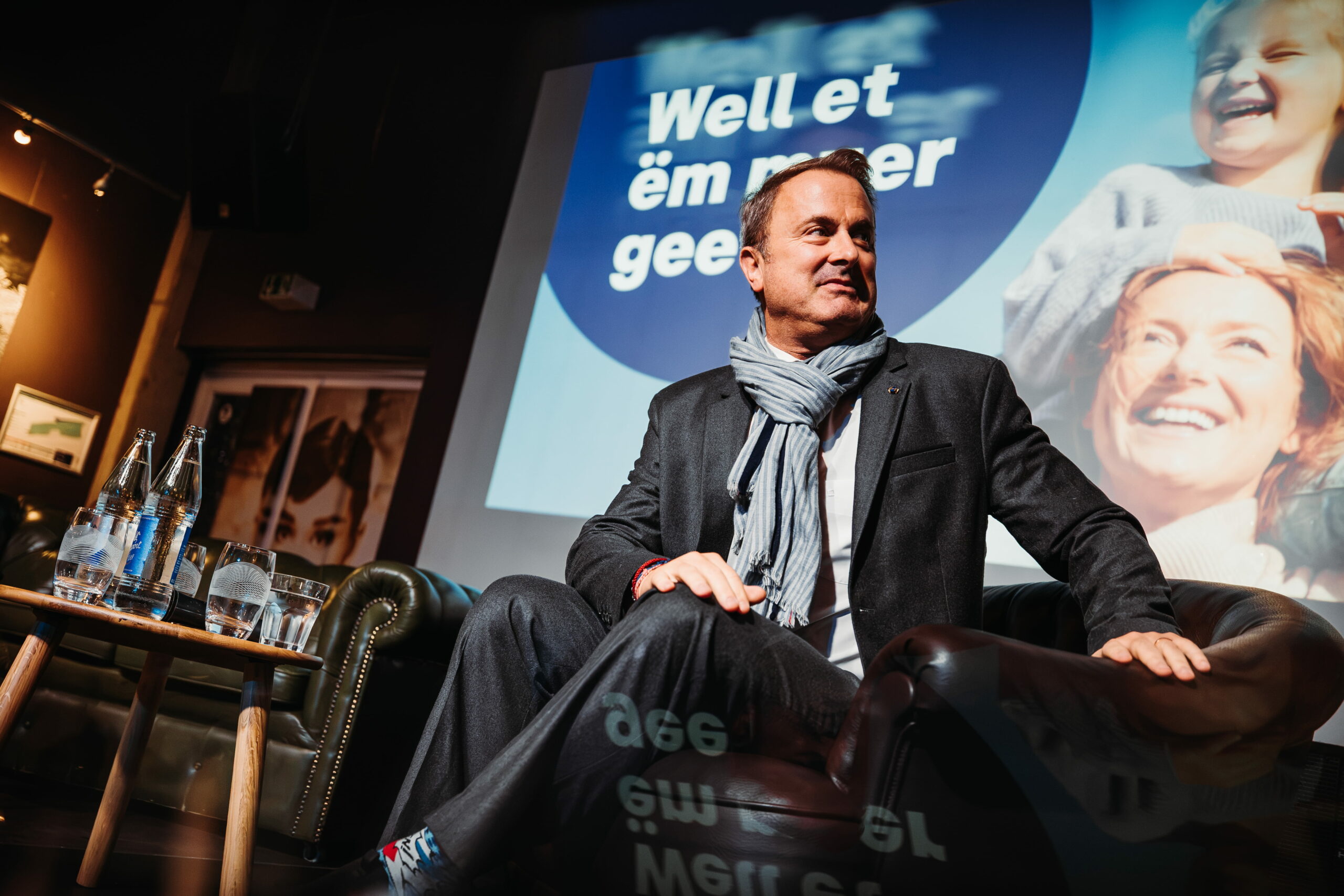
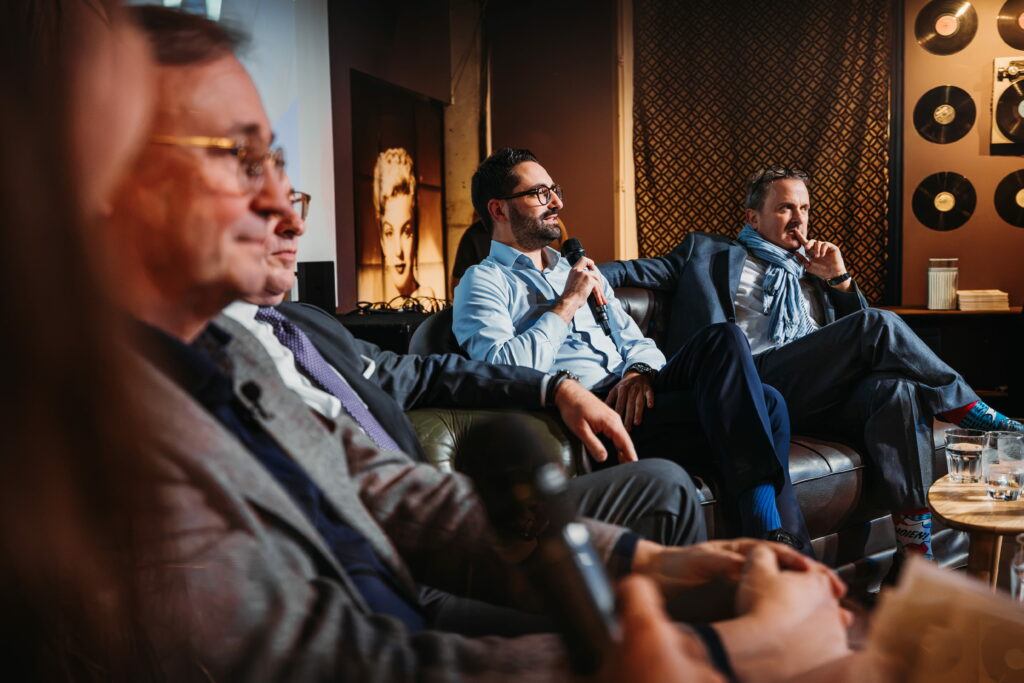
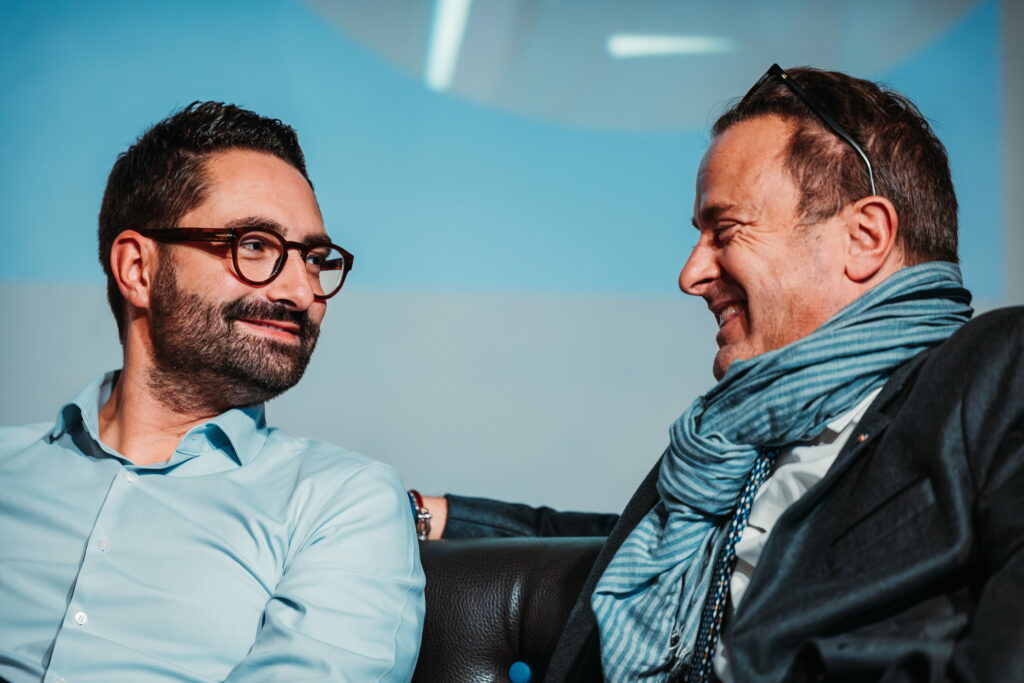
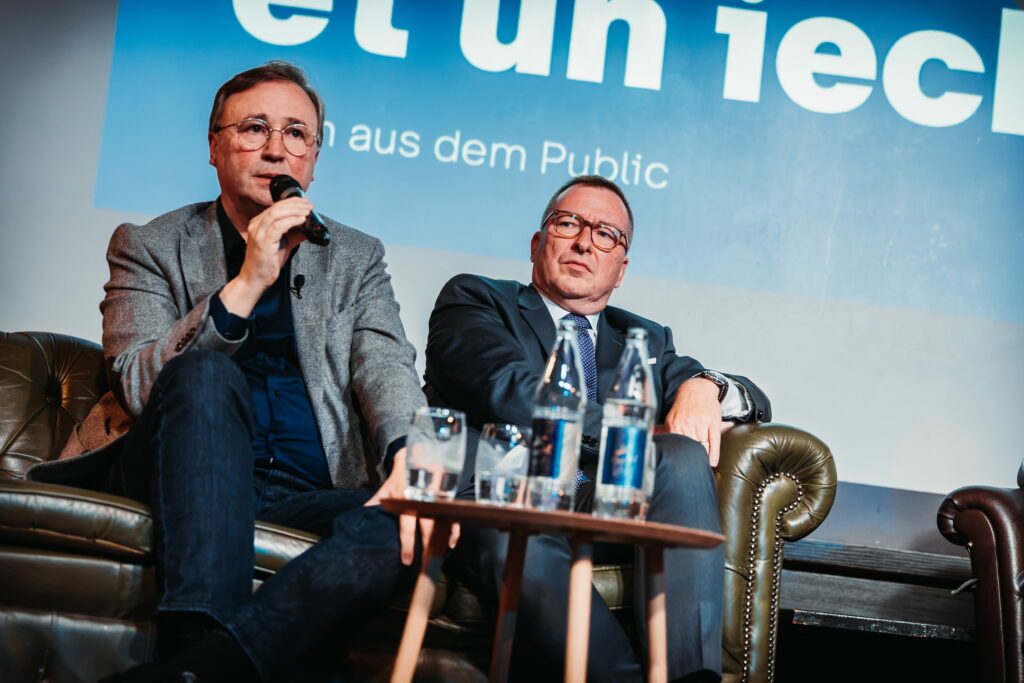
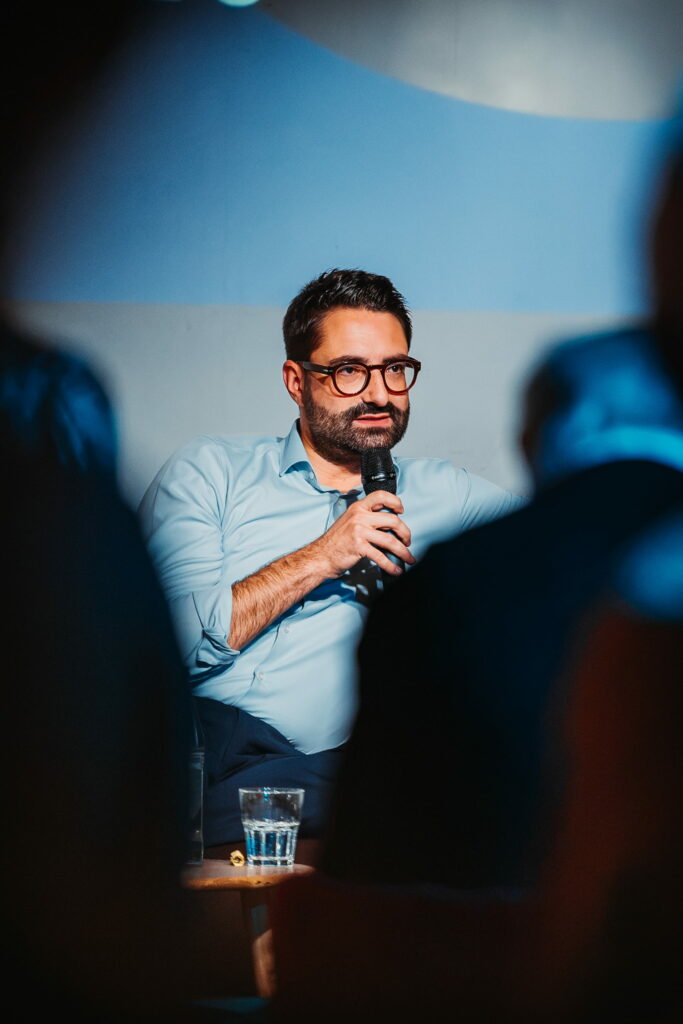
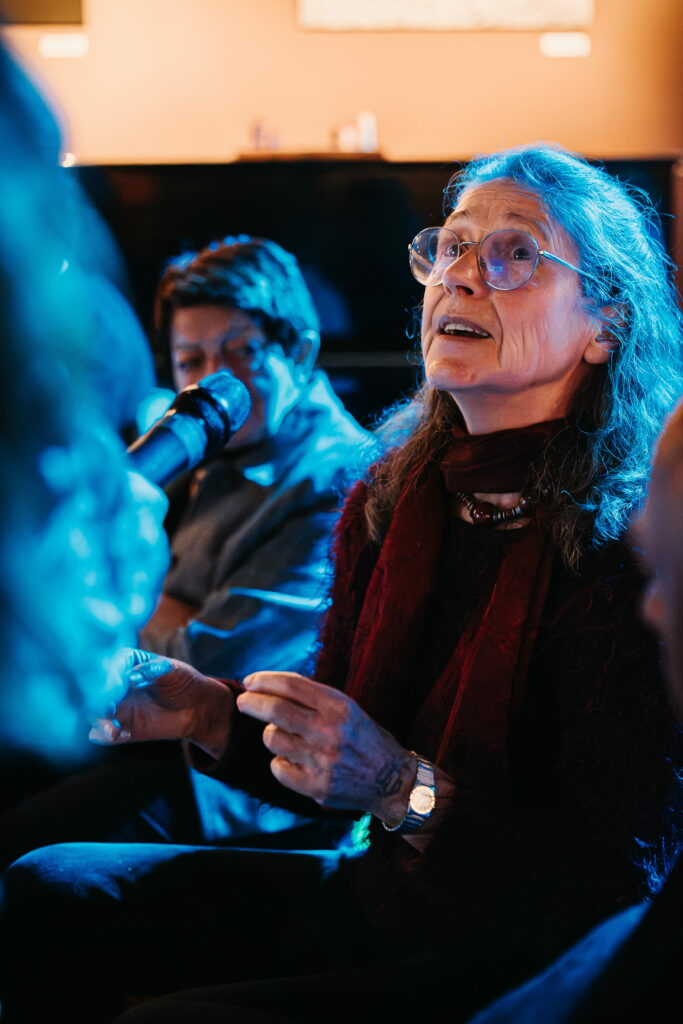
The prospects for the north of the country took centre stage at a discussion evening on Monday, 19 October 2026, at the Ancien Cinéma in Vianden. For just over two hours, members of the public discussed the region’s future and the challenges facing our country with Ministers Xavier Bettel and Eric Thill and northern constituency MPs André Bauler and Marc Hansen. The evening was moderated by Angèle Mersch.
Politicians must listen to people and take their concerns seriously, including outside election periods, Xavier Bettel stressed at the outset. Particularly at a time of crises whose effects people feel in their daily lives, there must be trust in a state that fulfils its responsibilities.
“I am counting on you to keep taking an interest in politics. Because if you do not hold us to account, politicians will think they can do whatever they want. […] Never forget: you are not there for politicians; politicians are there for you. And remind them if they forget it too quickly.” – Xavier Bettel
A strong north with tangible prospects
People everywhere should be able to rely on strong public services. Investment in education and administrative decentralisation go hand in hand in achieving this, André Bauler explained. He cited the development of the former agricultural school site in Ettelbruck, the planned Nordstad secondary school and the expansion of the secondary school in Clervaux. In healthcare, provision must be adapted to people’s needs. André Bauler advocated an additional Maison médicale in the northern Éislek. It should also be easier for doctors to form group practices, while the expansion of outpatient facilities should help improve care.
More broadly, André Bauler described the diversification of our economy as a key priority: alongside a competitive industrial sector and a strong financial centre, new activities should develop, including in health, environmental and energy technologies.
“The economy serves society. We can afford the welfare state we have here in Luxembourg, which helps maintain social peace, because we have a great deal of innovation and many new activities emerging within our economic ecosystem.” – André Bauler
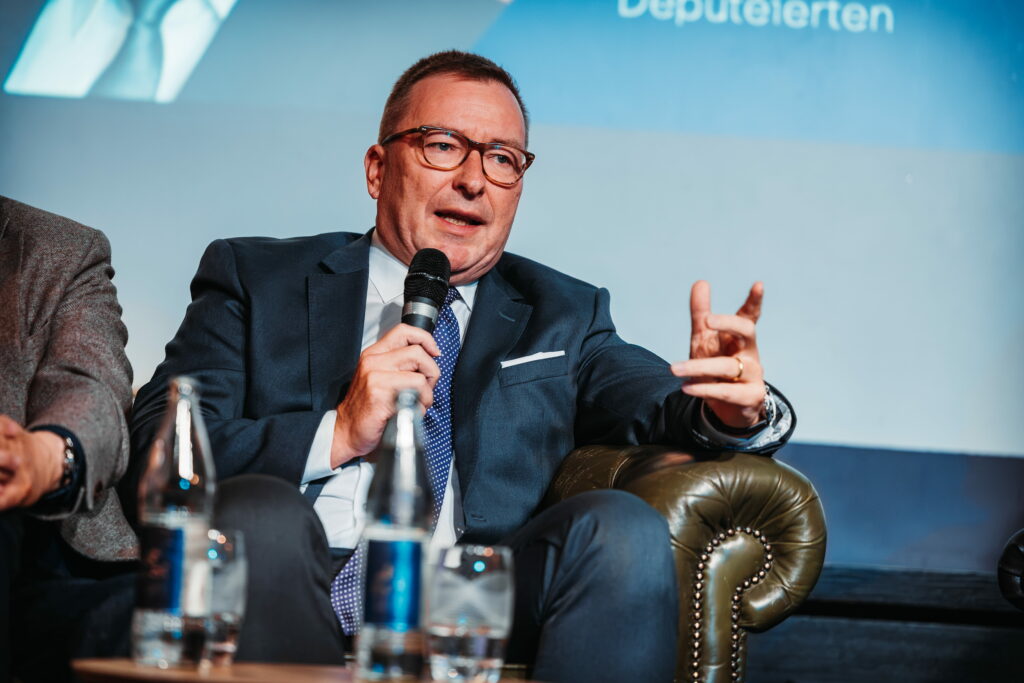
Marc Hansen returned to climate protection as a central focus of the DP’s parliamentary agenda following the summer recess. For the parliamentary group, reducing our dependence on fossil fuels, ensuring security of supply and easing the financial burden on households go hand in hand. The energy transition must be organised in a way that enables people to participate in their everyday lives.
The MP therefore highlighted the upfront financing of subsidies, as is the case for photovoltaic installations. This principle should also apply to social leasing schemes for electric cars for people on smaller budgets.
“When we talk about climate protection, we are very much talking about practical solutions for individuals. We must find ways to move away from fossil fuels, both because of the problems we face around the world and for the sake of climate protection.” – Marc Hansen
Marc Hansen also addressed safety on the N7 and bypass roads, raising the question of whether a tram in the north could be a useful addition.
Culture and language that bring people together
Culture, tourism and regional life hold considerable potential for the economy in the north of the country, according to Minister for Culture and Minister Delegate for Tourism Eric Thill, who wants to connect these strengths. Castles, museums, local traditions and a vibrant cultural scene attract visitors and support sectors such as restaurants and hotels. At the same time, they make the region more attractive to its residents.
“Culture is not just for one particular audience. I believe culture should be there for and accessible to everyone. That is why, over recent months, we have been considering the question: who are we currently failing to reach with our cultural offering here in Luxembourg, and why?” – Eric Thill
The action plan for access to culture aims to remove barriers of all kinds and give young people opportunities to develop their cultural interests and creativity.
Never before had so much been done to promote the Luxembourgish language. Eric Thill highlighted the expansion of Luxembourgish language courses, digital learning opportunities and courses tailored to specific professions. These could particularly improve communication in care services, hospitals and the hotel, restaurant and café sector. Multilingualism, he stressed, is and will remain a major asset for Luxembourg.
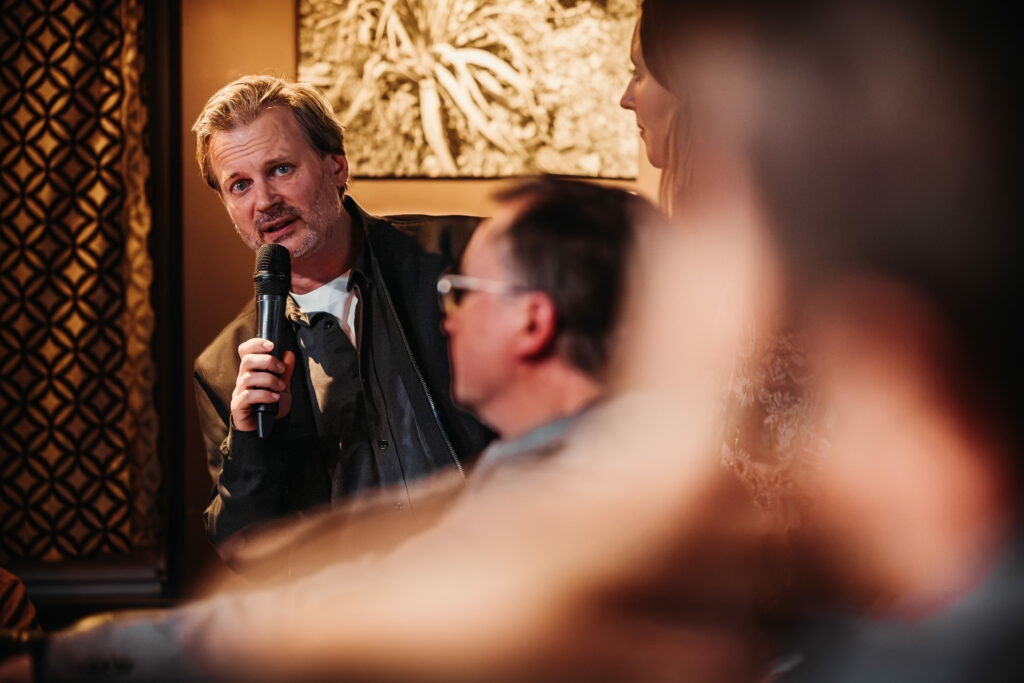
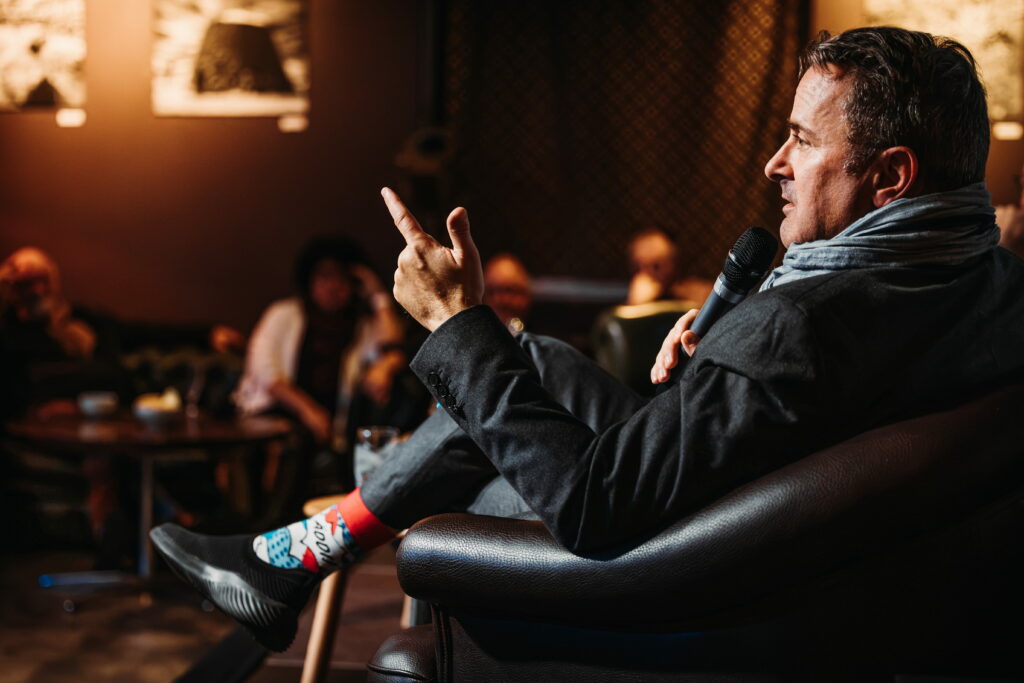
Also present in Vianden was Thomas Erdbrink, who has reported from Iran, among other places, and worked as a bureau chief for The New York Times. The Dutch journalist asked Xavier Bettel why Donald Trump talks to Vladimir Putin while Europe has so little contact with Russia.
Diplomacy must remain possible even under difficult circumstances, Luxembourg’s foreign minister replied. He recalled his own conversations with Vladimir Putin and Volodymyr Zelensky at the start of the war, for which he had faced some sharp criticism. The success of diplomacy also depends on human relationships and on the ability to establish a good rapport with the person across the table.
Xavier Bettel also made the case for a united and confident Europe. Luxembourg would make its voice clearly heard, because a country’s size has nothing to do with its diplomatic influence.